Eagle Owl: the nocturnal king of European forests
Discover the Eagle Owl (Bubo bubo), Europe's largest nocturnal raptor: measurements, habitat, diet and conservation status according to the IUCN.
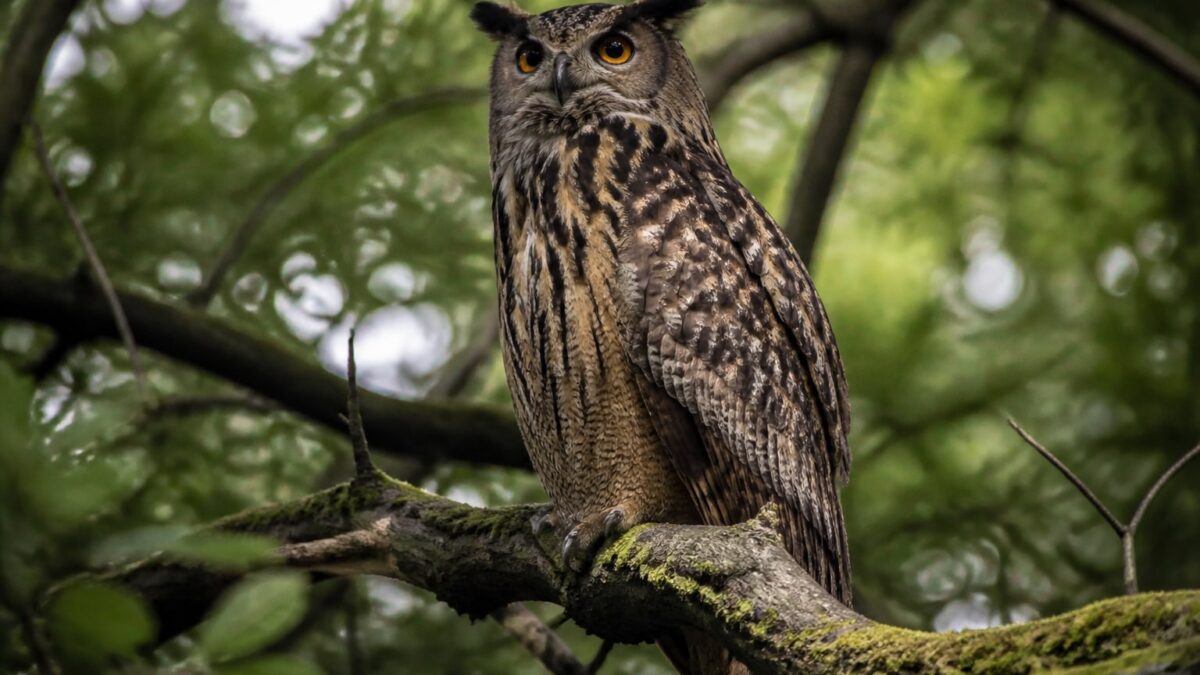
When night falls over the Iberian crags and the forests of central Europe, a silent predator takes over. The Eagle Owl (Bubo bubo) is the largest nocturnal raptor on the continent and one of the most effective super-predators in our ecosystems. If you have ever heard a deep, low “uh-huu” echoing through a ravine at dusk, it was probably a male marking his territory.
It is not an easy bird to see. It hunts at night, blends perfectly with bark and rock, and spends the day perched on ledges or in cavities in cliff walls. But its presence is a sign of a territory’s health: where there is an Eagle Owl, the food chain is working.
Eagle Owl quick facts
| Data | Value |
|---|---|
| Scientific name | Bubo bubo |
| Length | 60-75 cm |
| Wingspan | 1.60-1.80 m |
| Weight | 1.5-3 kg (males); 2.3-4 kg (females) |
| Lifespan | 20 years in the wild; up to 60 in captivity |
| IUCN status | Least Concern (LC) |
| Distribution | Palearctic (Europe, N. Africa, Asia) |
Identification: how to recognise an Eagle Owl
It is unmistakable by its size. An adult measures between 60 and 75 cm in height, with a wingspan approaching 1.80 metres. Females are noticeably larger than males, a trait common among raptors.
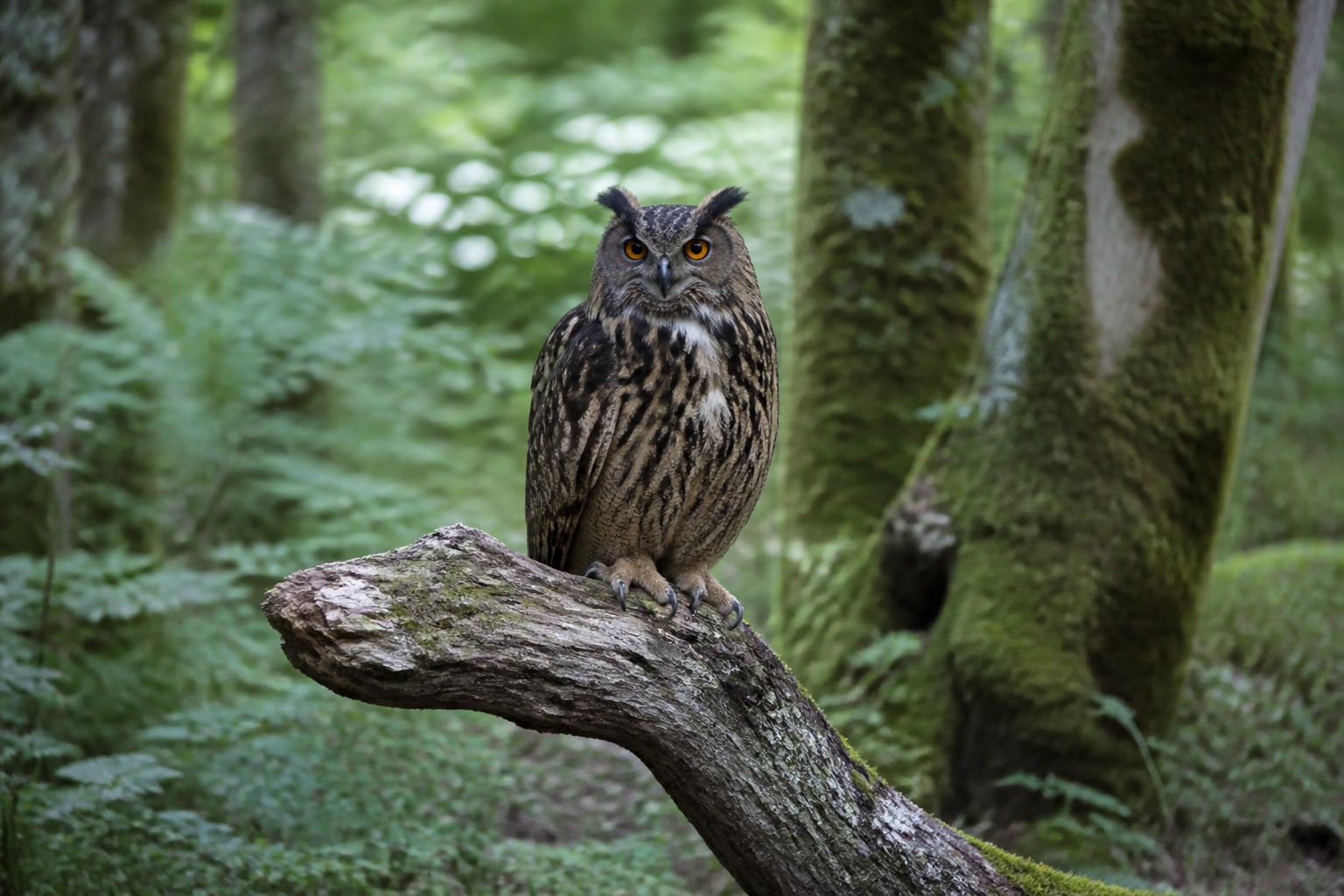
Its plumage combines browns, ochres and blacks, with a dense mottling that camouflages it against the rock. The key identification features are two: ear tufts (which are not ears, but erectile feathers) and intense orange eyes, large and frontal. The face forms a faint facial disc compared with other owls.
In flight it is impressive. The wings are broad and rounded, and the beat is silent thanks to the serrated edges of the primary feathers, an adaptation shared with all owls.
Habitat and distribution: from the Mediterranean to Siberia
The Eagle Owl has one of the widest distributions among Palearctic raptors. It occupies nearly all of Europe, northern Africa, the Middle East and much of Asia, as far as the Russian Pacific. In Spain it is relatively abundant, especially in the southern and eastern halves of the peninsula.
It prefers landscapes with rocky cliffs, ravines and escarpments, close to open areas where it can hunt: dehesas, farmland, Mediterranean scrub. It also uses mature forests if rocky outcrops are nearby. It avoids large cities, but it is not unusual to see it in abandoned quarries or even on viaducts.
A breeding pair’s territory covers roughly 15-80 km², depending on prey availability.
Diet: an opportunist with a top predator’s size
It is a generalist predator. Its diet varies by region and season, but medium-sized mammals and birds stand out. On the Iberian Peninsula, the European rabbit (Oryctolagus cuniculus) is a key prey wherever it is abundant.
Its typical menu includes:
- Rabbits, hares, rats, voles and hedgehogs.
- Pigeons, corvids, partridges and other raptors (including barn owls and buzzards).
- Reptiles and amphibians, occasionally.
- Carrion, when food is scarce.
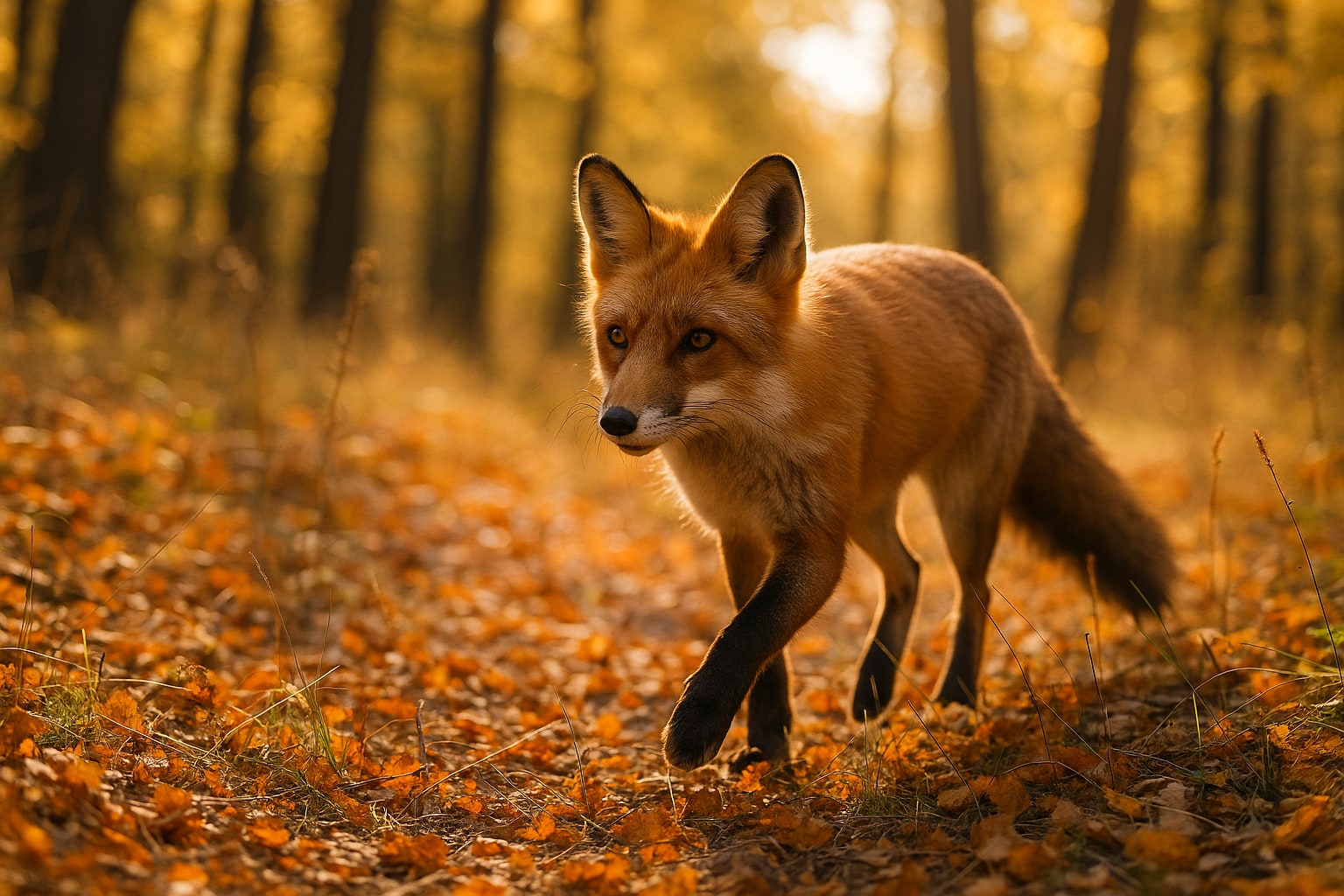
It hunts from elevated perches, swooping down on its prey. Its grip strength allows it to capture prey of up to 7 kg, although prey usually weighs between 200 and 500 g. It has been documented attacking young foxes and other nocturnal raptors, which makes it a super-predator in many European ecosystems.
Breeding: nesting on rock and early chicks
The breeding season starts early, between January and March, with the males’ characteristic territorial calls. They are monogamous and usually keep the same partner for several years.
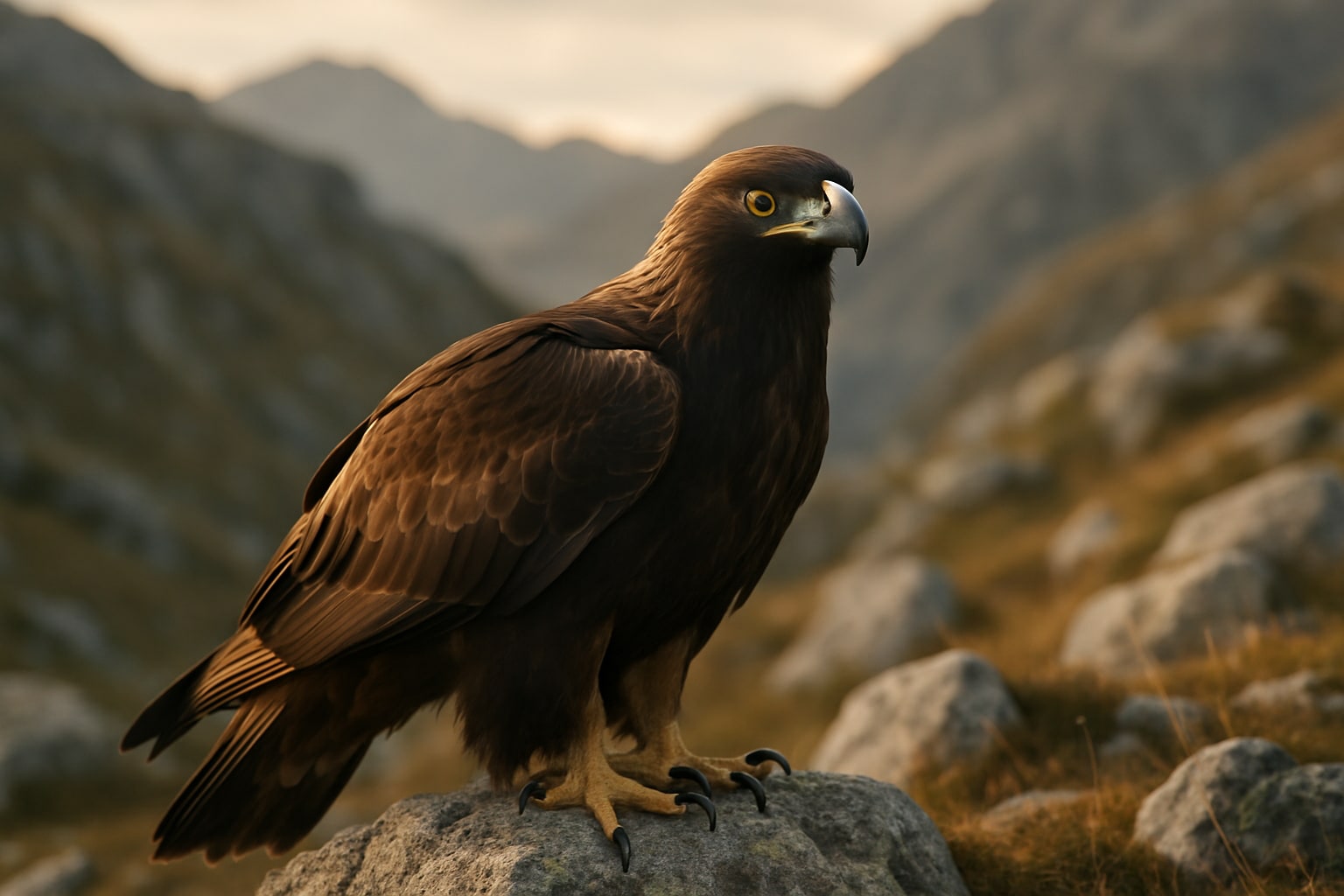
It does not build a nest. It lays directly on a rocky ledge, in a cave, or by taking over abandoned nests of other raptors, such as the golden eagle. The clutch is 2 to 4 eggs, incubated by the female for about 34-36 days while the male brings food.
The chicks leave the nest at 5-7 weeks old, although they remain dependent on their parents until autumn. Juvenile mortality is high: fewer than 40% survive their first year.
Conservation status: stable but monitored
The IUCN classifies it as Least Concern (LC) globally, with an estimated European breeding population of 19,000-38,000 pairs (BirdLife International, 2021). In Spain, between 2,000 and 2,500 pairs are estimated, with a stable trend.
The main threats are human-caused:
- Electrocution on power lines, its leading cause of unnatural death.
- Collisions with vehicles and fences.
- Secondary poisoning from rodenticides and illegal baits.
- Human disturbance in breeding areas (climbing, construction work).
In Spain it is included in the MITECO List of Wild Species under Special Protection. Programmes such as correcting dangerous power lines have markedly reduced mortality in several autonomous communities.
Verifiable curiosities
- Its call, a deep “uh-huu”, can be heard from over 4 km away on quiet nights.
- It has excellent vision in very low light, but it cannot see in total darkness. It compensates with very precise directional hearing.
- It can turn its head about 270° thanks to extra cervical vertebrae (14 compared with the 7 of mammals).
- It is the longest-lived nocturnal raptor on record: there are captive individuals that have exceeded 60 years.
Frequently asked questions
Is the Eagle Owl dangerous to people? No, except in exceptional situations of nest defence. It may intimidate with its size, but it does not habitually attack humans.
Can an Eagle Owl be kept as a pet? No. It is a species protected under European and Spanish law. Keeping one requires specific permits (falconry, rescue centres) and it is never kept as a companion animal.
What is the difference between an owl and a barn owl? Owls (such as the Eagle Owl) are usually larger and have ear tufts. Barn owls, such as the common barn owl (Tyto alba), have a heart-shaped facial disc and lack ear tufts.
Where can I see one in the wild? In Spain, in nature parks with rocky cliffs: Hoces del Duratón, the Baetic ranges, Montsant or the Maestrazgo. Always at dawn or dusk, and without disturbing breeding areas between January and June.


0 comments · Comment