Crassula ovata: the jade plant, a succulent of good luck
Complete guide to Crassula ovata: botanical identification, quantified care (light, watering, substrate), propagation and its role as a plant of prosperity in Feng Shui.
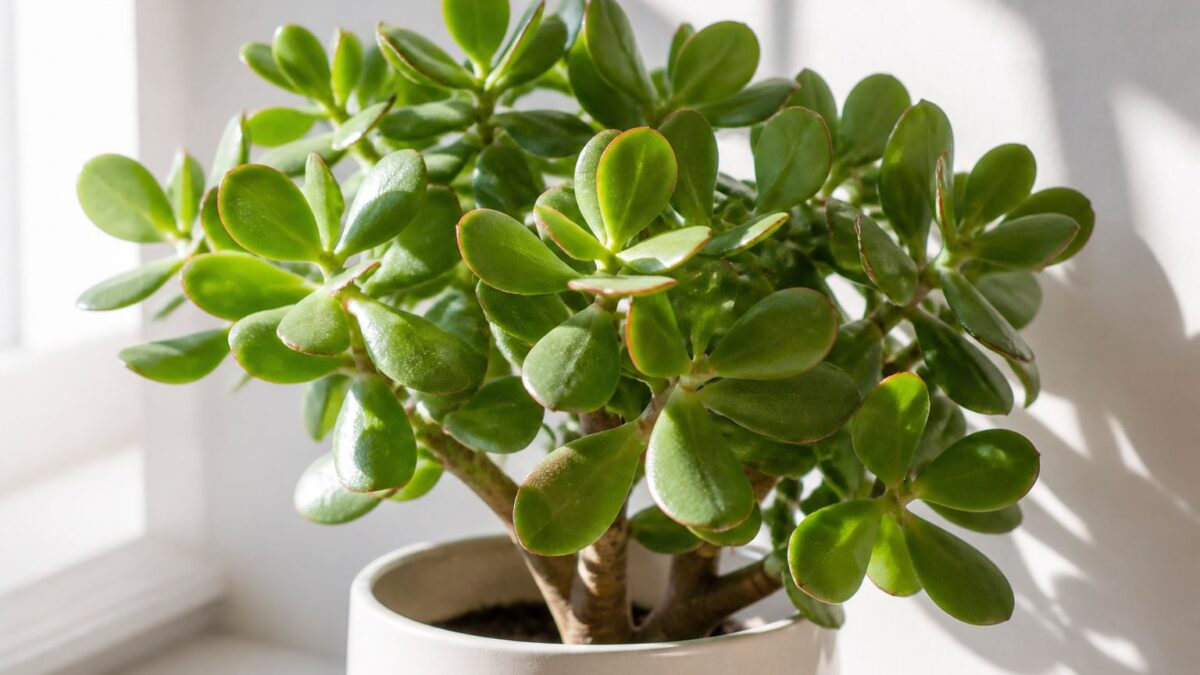
Few succulents have as long a track record in living rooms as the Crassula ovata, popularly known as the jade plant. It is hardy, long-lived and has a shrub-like habit that, over the years, ends up looking like a bonsai without the need for complicated techniques. It is no coincidence that it has been associated with prosperity and good luck in Feng Shui for decades.
If you are looking for a plant that forgives forgotten waterings, tolerates homes with central heating and can practically reproduce on its own, the jade plant is a safe bet. Let’s look at exactly what this plant is, how to care for it with concrete data and what to watch out for if you live with pets.
Quick facts about Crassula ovata
| Detail | Value |
|---|---|
| Scientific name | Crassula ovata |
| Family | Crassulaceae |
| Origin | South Africa and Mozambique |
| Height indoors | 60-120 cm (up to 2.5 m outdoors) |
| Lifespan | 70-100 years with good care |
| Light | 4-6 h of gentle direct sun |
| Watering | Every 10-15 days in summer, 3-4 weeks in winter |
| Toxicity | Mildly toxic to dogs and cats |
Botanical identification: what the jade plant actually is
The Crassula ovata belongs to the Crassulaceae family, the same one that includes echeverias, sedums and kalanchoes. It is native to the semi-arid regions of South Africa and Mozambique, where it grows on rocky slopes with little organic matter and excellent drainage.
It is recognised by its fleshy, oval, glossy leaves, 3 to 5 cm long, of an intense jade green that may take on red edges when it receives plenty of sun. The trunk becomes woody and thick over the years, with greyish bark that resembles a miniature tree. On mature, well-cared-for specimens, star-shaped white or pink flowers appear in late winter, although flowering indoors is uncommon.
Watch out for common mix-ups: the Crassula arborescens has rounder, bluish leaves, and the Portulacaria afra (also called the “dwarf jade plant”) belongs to a different family.
Light, watering and substrate: the tripod of care
Light: direct sun, but with nuances
The jade plant needs between 4 and 6 hours of direct light per day. A window facing south or east is ideal. In low light, stems stretch, leaves spread apart and the plant loses its characteristic compact habit. With the intense midday sun of summer, however, brown scorch marks can appear on the leaves.
A tip: if the leaf margins turn reddish, it is getting enough light. If everything is pale green and elongated, it lacks light.
Watering: the most common mistake is overdoing it
This is where most jade plants die. Like any good succulent, it stores water in its leaves and tolerates drought far better than excess.
- Spring and summer: water every 10-15 days, letting the substrate dry out completely between waterings.
- Autumn and winter: reduce to every 3-4 weeks. If the plant is in a cool room, even less.
- Use room-temperature water, low in lime if possible.
- Water from below or directly onto the soil, never over the leaves.
If you notice soft, wrinkled leaves that drop when touched, it is overwatering. If they are wrinkled but firm, it needs water.
Substrate: drainage above all
The substrate must be 70% free-draining. A mix that works very well:
- 50% cactus and succulent substrate
- 30% perlite or pumice
- 20% coarse river sand
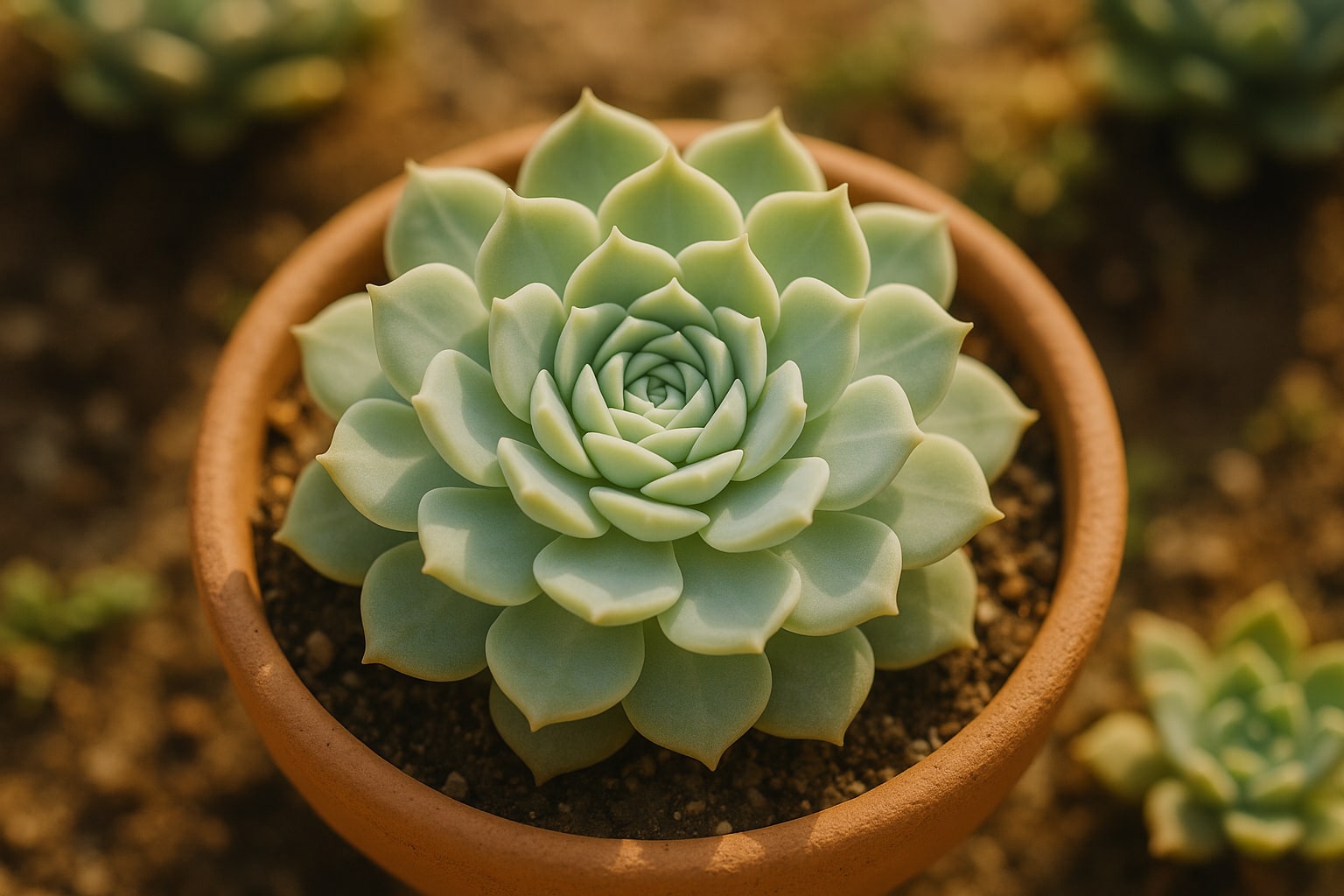
The ideal pH is around 6.0-6.5 (slightly acidic). The pot should always have drainage holes, preferably terracotta so the soil can breathe. If you want to dig deeper into succulent mixes, our guide to Echeveria elegans uses very similar proportions.
Seasonal care
In spring and summer the plant enters active growth. Take advantage to feed once a month with a fertiliser specific for cacti, diluted to half strength. This is also the time to repot if roots are showing through the drainage holes, every 2-3 years.
In autumn and winter it enters semi-dormancy. Drastically reduce watering, stop feeding and keep the plant in a bright but cool spot, ideally between 10 and 15 °C. That drop in temperature is, in fact, what stimulates flowering in mature specimens.
Avoid sudden changes of location: the Crassula ovata appreciates routine.
Common problems
- Leaves that drop at the slightest touch: overwatering or a sudden change in temperature.
- Black spots on the trunk: rot. Cut away the healthy part and re-root.
- Mealybugs: a very common pest. Remove with a cotton swab and 70° alcohol.
- Wrinkled, dull leaves: prolonged lack of water.
- Elongated, weak stems (etiolation): lack of light.
Propagating the jade plant: almost foolproof
It is one of the easiest plants to multiply. Two methods work very well:
From stem cuttings: cut a piece 8-10 cm long, let the wound callus in air for 3-5 days and plant in dry substrate. Do not water during the first week. Roots appear in 2-3 weeks.
From a leaf: pull off a whole leaf (with its base intact), let it dry for 2 days and place it on slightly moist substrate. In 4-6 weeks a small rosette will sprout.
Jade plant and Feng Shui: the plant of prosperity
In the tradition of Feng Shui, the Crassula ovata symbolises growth, stability and economic prosperity. Its rounded leaves are associated with coins, and its sturdy habit represents lasting wealth. The recommended placement is the entrance of the home or business, or the southeast area of the home, linked to abundance according to the bagua.
Beyond the symbolism, it is truly a low-maintenance, long-lived plant with a sculptural appearance, qualities more than enough to earn it a prominent spot.
Toxicity: caution with dogs and cats
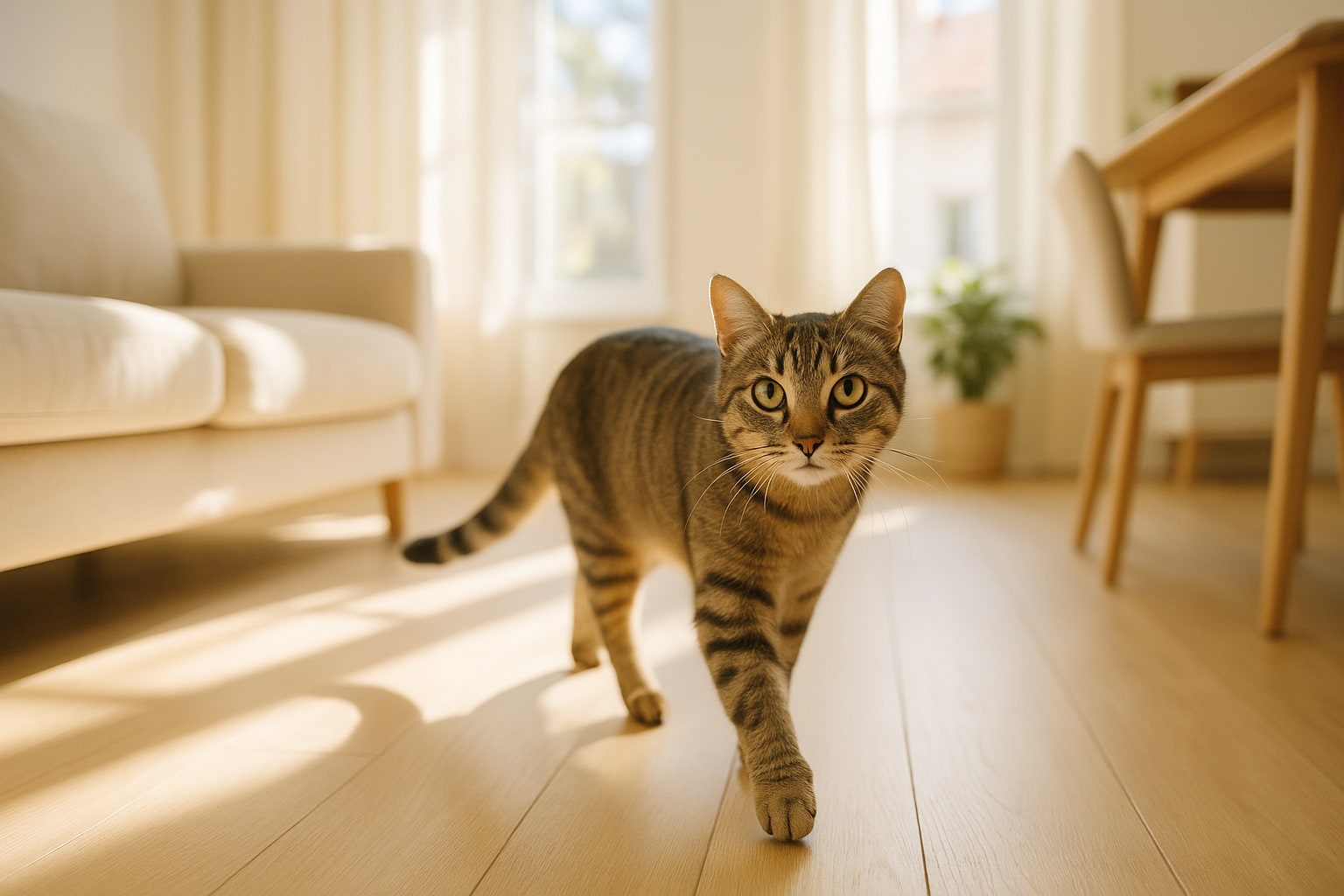
This is a fact many guides overlook. The Crassula ovata is mildly toxic to dogs and cats, according to the ASPCA (American Society for the Prevention of Cruelty to Animals) database. Ingestion can cause vomiting, lethargy, incoordination and, in isolated cases, bradycardia.
If your pet nibbles the leaves, consult your veterinarian, especially if you notice symptoms. The safest approach is to place it on high shelves or stands out of your pet’s reach. If you have a curious cat, you may also be interested in our tips on how to stop cats scratching furniture, since curious explorers and plants within reach tend to go hand in hand.
FAQ
How often should I water the jade plant in winter? Every 3-4 weeks, and only if the substrate is completely dry. In cool rooms you can space it out further.
Why are the leaves falling off my Crassula ovata? The most common cause is overwatering. They can also drop after a sudden change of location or temperature.
How long does the jade plant take to grow? It grows slowly: about 5-10 cm per year. A specimen with a bonsai-like habit is easily 10-15 years old.
Does the jade plant flower indoors? Rarely. It needs maturity (over 8-10 years), cool winters at 10-15 °C and plenty of light.
Is it safe to have it around small children? It is not a highly toxic plant, but ingestion can cause digestive discomfort. Keep it out of reach of small children and pets.

0 comments · Comment