African Hedgehogs: Care, Diet, and Common Myths
An evidence-based veterinary guide to the African hedgehog (Atelerix albiventris): insectivorous diet, ideal temperature, lifespan, and the myths circulating on social media.
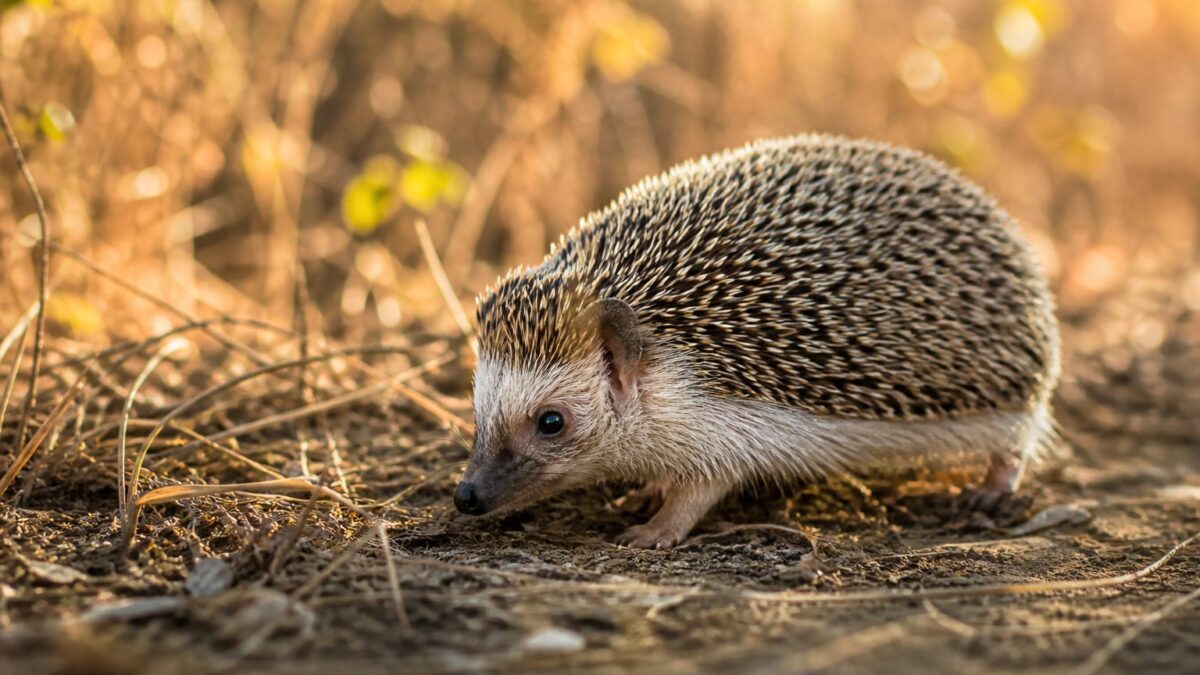
The African hedgehog (Atelerix albiventris) has become popular as an exotic pet over the last decade, driven by its compact size and hundreds of videos on social media. Behind that cute image is an insectivorous, nocturnal, and solitary animal with very specific needs that have little in common with those of a rodent or a rabbit.
Before considering getting one, it’s worth understanding where it comes from, what it actually eats, and why many of the tips circulating online are outdated or directly harmful to its health.
African Hedgehog Quick Facts
| Detail | Value |
|---|---|
| Scientific name | Atelerix albiventris |
| Origin | Central and East Africa |
| Adult size | 15-25 cm |
| Weight | 250-600 g |
| Lifespan | 4-6 years (up to 8 in captivity) |
| Ideal temperature | 24-27 °C |
| Diet | Insectivorous |
| Activity | Nocturnal and solitary |
Origin and legal status
The African hedgehog comes from the savannas and semi-arid zones of Central and East Africa, from Senegal to Ethiopia. In the wild it is listed as LC (Least Concern) by the IUCN, although it faces pressure from habitat loss.
In Spain, keeping one is legal, but with caveats: it is not included in the Spanish Catalogue of Invasive Alien Species, which allows its trade. However, with the entry into force of the Positive List of companion animals provided for in Law 7/2023 on animal welfare, its status could change. Before acquiring one, check the current regional and municipal regulations.
Home Habitat: Enclosure and Temperature
An adult hedgehog needs an enclosure with a minimum usable floor area of 1 m², with a smooth floor (never wire mesh, which causes injuries to the feet). A large rabbit-style cage or a spacious terrarium with good ventilation will do.
The critical point is temperature: it must remain stable between 24 and 27 °C. Below 20 °C the hedgehog enters an attempted hibernation which, since it is not physiologically prepared for this in captivity, is usually fatal. Use a ceramic heat panel with a thermostat, never a heated rock.
Inside it needs:
- A closed hideout such as an igloo.
- A solid exercise wheel of 28 cm or more (without bars).
- Absorbent substrate of paper or plant fiber, never cedar or pine shavings (irritant).
- A pipette water bottle or a heavy bowl.
They are strictly solitary animals. Housing two individuals together, especially males, generates chronic stress and fights. If you want a social pet, a guinea pig kept with a companion fits that profile much better.
African Hedgehog Diet
Here is the most widespread myth: the African hedgehog does not eat fruit as the basis of its diet. It is an insectivore, and its digestive system is adapted to prey with exoskeletons and animal protein.
The daily base should be:
- Hedgehog-specific food or, failing that, high-end cat food with over 30% animal protein and 10-15% fat. Amount: 1-2 tablespoons per day (about 7-10 g).
- Live or dehydrated insects several times a week: crickets, mealworms, dubia roaches, superworms. 3-5 pieces per session.
- Occasional cooked protein: boiled chicken or turkey without salt or spices, cooked egg.
As an occasional treat (once a week, a small piece): apple, pear, cooked zucchini, blueberries. Never citrus, grapes, avocado, onion, garlic, dairy, chocolate, or nuts.
Water, always fresh and at room temperature.
Behavior and Handling
The African hedgehog is nocturnal and crepuscular. Expecting it to play in the afternoon goes against its biology. Its activity starts at dusk and it can run several kilometers on the wheel during the night.
When it feels threatened it rolls into a ball and makes huffing sounds. This is not aggression, it is defense. To get it used to handling, have short daily sessions of 10-15 minutes with clean hands and without food smells. Self-anointing —covering its spines with foamy saliva when it smells something new— is normal behavior, not a disease.
Health of the African Pygmy Hedgehog
The most frequent conditions seen in exotic veterinary practice are:
- Wobbly hedgehog syndrome (WHS): hereditary neurodegenerative disease, with no cure.
- Obesity: from excess food and lack of exercise.
- Mites and skin problems: spine loss, flaking.
- Tumors: very common from age 3 onwards, especially in females.
- Dental problems: tartar and gingivitis.
Any change in appetite, weight, droppings, or mobility requires a consultation with a veterinarian specialized in exotics. There are no standard check-ups as with dogs or cats, but an annual check-up from the third year onwards is recommended.
Common Myths About African Hedgehogs
- “They can live with another hedgehog”: false, they are solitary.
- “They eat fruit and vegetables as a staple”: false, they are insectivores.
- “They hibernate in winter”: in captivity, dropping temperatures make them ill.
- “They don’t need a vet”: false, they require an exotics veterinarian.
- “They are silent”: the wheel and their nighttime running can be heard from metres away.
Before adopting any exotic species, research it with the same rigor you would apply to adopting a ferret: they are not “easy” animals just because they are small.
Frequently Asked Questions
How long does an African hedgehog live? Between 4 and 6 years on average, although with optimal care some individuals exceed 8. In the wild they rarely live past 3 years.
Do they smell bad? The animal itself has little odor. The smell comes from insufficient cleaning of the enclosure; droppings should be removed daily and the substrate changed every 5-7 days.
Can two be kept together? No. They are territorial and solitary. Cohabitation generates stress, fights, and serious wounds, even between females.
Do their spines sting? They are not venomous and do not detach like a porcupine’s quills. They prick if you handle them while rolled up, but when relaxed they can be held without problem.
Do they need vaccines? There is no mandatory vaccination schedule for the species, but annual veterinary check-ups with a professional in exotic animals are recommended.

0 comments · Comment